
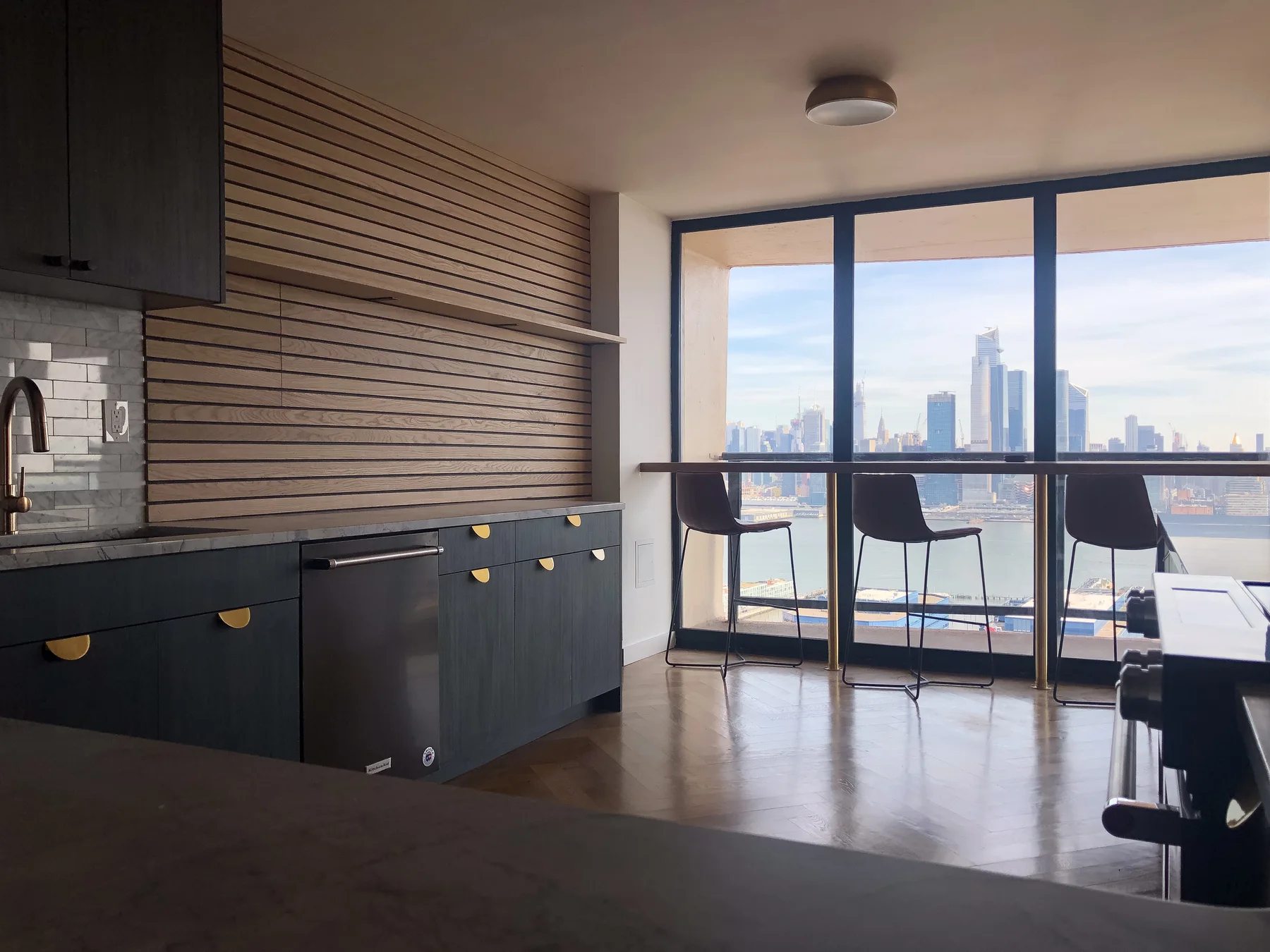
If you are renovating a Manhattan co-op, the alteration agreement is not paperwork to handle later. It is one of the first things that shapes the project. Before finishes, before scheduling trades, and before you commit to a start date, you need to understand what the building expects, what the contractor will provide, and where your own responsibilities begin.
For a co-op renovation, the main question is not only what you want to change. It is whether the scope, documents, access plan, and timing are ready for building review and for the realities of working in an occupied building. That is where HKB can help homeowners think through the project from the start. If you are comparing broader renovation scopes, see full-home renovations.
Start with the alteration agreement, not the finishes
A co-op renovation usually starts with the building’s alteration agreement and the package that goes with it. That package may ask for project details, contractor information, insurance paperwork, drawings or specifications if needed, and a description of how the work will be carried out.
The practical question for the homeowner is simple: do you already know enough about the project to complete that package accurately? If not, you may need more planning before submitting anything. A kitchen-only refresh, a bathroom update, and a larger whole-home renovation do not create the same level of coordination.
A useful comparison is this:
- finish-first thinking: choose products, then figure out the building process later
- building-first thinking: define the project, responsibilities, access, and timing before locking in the finishes
For co-op work, the second approach is usually the safer way to keep the project organized.
Decide who is responsible for what
A good renovation plan assigns responsibilities clearly. Homeowners often assume someone else will handle every part of the process, but that is rarely how apartment renovations stay organized.
Before you move ahead, clarify:
- who prepares the project description for the building
- who communicates with the board or managing agent if questions come up
- who coordinates contractor paperwork and job details
- who confirms delivery timing and where materials can be received
- who tracks selections, changes, and decisions once the job is underway
This is especially important in a co-op because the building may care not only about the scope of work, but also about how the work will be managed day to day. HKB coordinates planning, permits or inspections when needed, and condo or co-op building requirements when they apply to the scope.
Make access, deliveries, and service coordination part of the scope
In Manhattan, a renovation plan has to account for more than the rooms being changed. It also has to account for the building itself. Elevator reservations, delivery timing, loading access, protection rules, and shared-service interruptions can all affect the sequence of work.
That means homeowners should decide early:
- whether materials will be delivered in stages or stored before installation
- how deliveries will be coordinated with building access
- whether work can proceed while you remain in the apartment
- how much interruption the household can tolerate during the project
- which trades depend on one another and need to be scheduled in order
If your project includes multiple rooms or a larger combined scope, the schedule should reflect the dependencies between them. A kitchen that depends on a bathroom shutdown, or a full-home renovation that affects several rooms at once, should not be treated like isolated tasks.
For a related planning article, see what plans and drawings help with a renovation estimate?.
Use a schedule built around decisions, not guesses
The best renovation schedule is built from knowns: approved scope, selected materials, building requirements, and access constraints. It is not built from optimism.
Before you ask for a start date, make sure you have answered the following:
- Is the scope limited to one room or spread across several?
- Are there any selections that other work depends on?
- Do you need building review before construction can be scheduled?
- Will deliveries, storage, or elevator use affect the sequence?
- Are there points where a delay in one decision would stop the next trade?
This matters because a co-op renovation can stall when one detail is left open. A cabinet choice, fixture selection, or finish decision may seem small, but if it affects ordering or installation, it can hold up the whole job. The cleaner the decision list, the easier it is to coordinate the work.
Bring a useful package to the first conversation
If you are reaching out to HKB, the goal is not to arrive with every answer. The goal is to provide enough information for the project to be assessed honestly.
A strong first inquiry should include:
- the apartment ZIP code and building type
- the rooms or areas you want to renovate
- what you believe the scope includes and what is still undecided
- whether the building uses an alteration agreement or similar review process
- any access, delivery, or timing constraints you already know
- your contact preferences and when you hope to begin
Check HKB’s service area, including Manhattan, then start that conversation through contact.
What to send before you ask for a review
Use this short checklist before your first call or form submission:
- address or ZIP code
- apartment type and building context
- rooms included in the project
- whether the work is a single room, several rooms, or a full-home renovation
- any known alteration agreement or building submission requirements
- preferred timing and any hard deadlines
- questions about deliveries, access, or scheduling
For homeowners planning connected work across rooms, it can also help to read planning a condo renovation before construction begins.
A Manhattan co-op renovation goes more smoothly when the alteration agreement, project responsibilities, and building logistics are treated as part of the renovation itself. That is the point where a serious plan starts.