
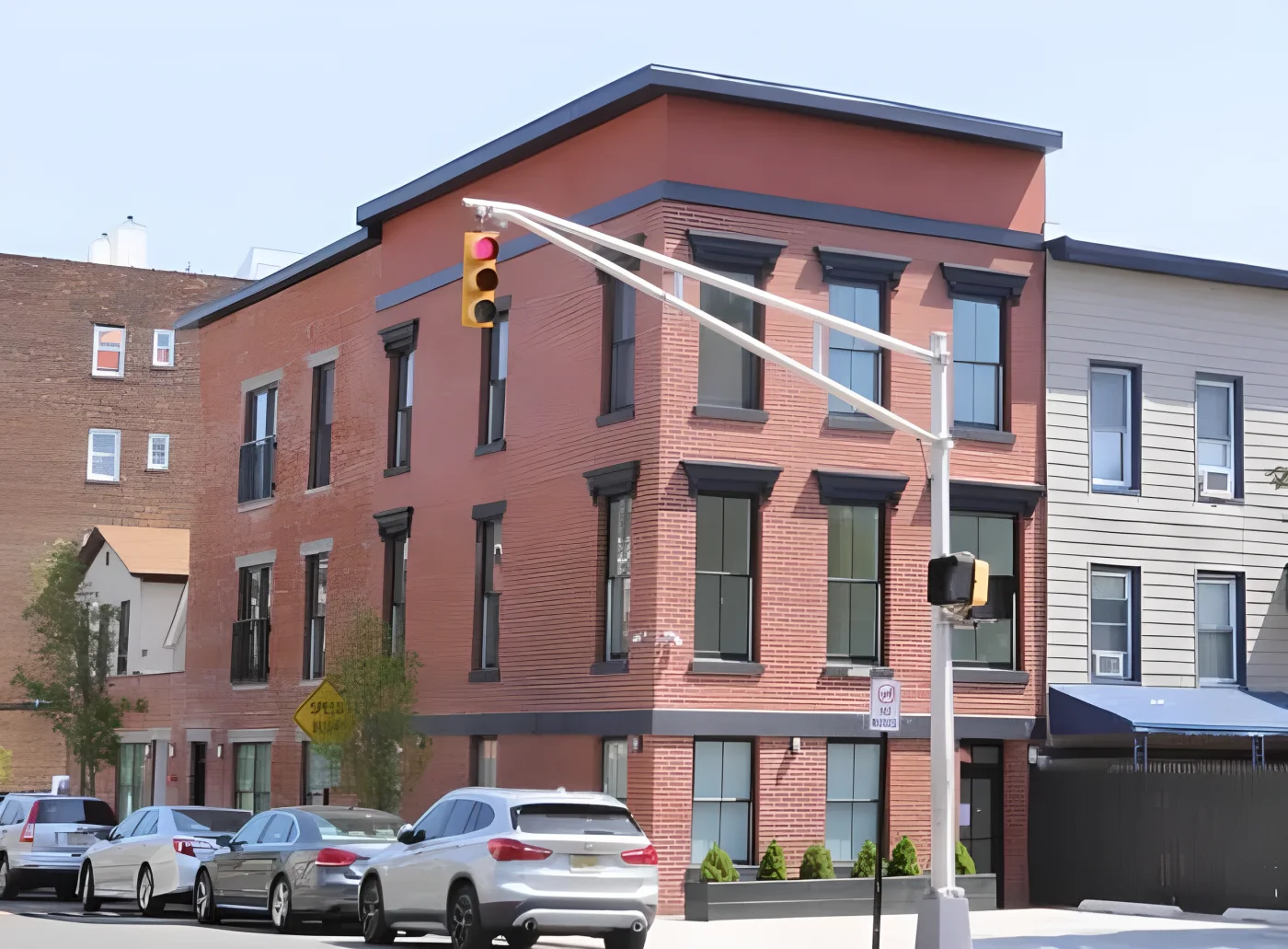
A condo renovation in Hoboken usually starts with two separate questions: what the building needs to review, and what the municipality may require. They are not the same thing. If you are planning a substantial remodel, the safest first step is to organize a building-specific alteration packet that matches your scope, your unit, and your building’s expectations before anyone assumes the project can move forward.
HKB handles full-home renovation planning, including work in condos and co-ops, and can help homeowners think through the paperwork side of a larger project as part of the overall scope. See full-home renovations for the kind of work HKB coordinates, and Hoboken service area for the local focus.
Start with the right review: building first, municipality separately
A condo board, property manager, or building engineer may want to see a clear package before granting alteration approval. That package is usually about protecting the building, setting access expectations, and confirming responsibility for the work. Municipal approval is a different track. Whether permits, inspections, or other outside approvals apply depends on the project and the officials involved.
That distinction matters because homeowners sometimes prepare only for the building review and discover later that their project also needs a separate municipal process. The reverse can happen too. A permit path does not replace building review. For a fuller overview of that distinction, see the related guide Municipal permits and building approval are separate steps.
What belongs in a condo alteration packet
A strong submission is not about volume. It is about clarity. The building wants to understand the scope, how the work will be carried out, and who is responsible if something changes.
Useful packet elements often include:
- A plain-language scope summary
- Floor plans or other drawings that show the areas affected
- A description of demolition, construction, and finish work
- Contractor contact information
- Insurance documents requested by the building
- Proposed work hours, delivery needs, and access needs
- Any information the building asks for about protection, waste removal, or shutdown coordination
- A list of owners, managers, or other parties the building expects to be copied on updates
For a condo project, the packet should reflect the actual scope. A kitchen and bathroom update in one unit is not the same as a larger remodel touching several rooms. If the project includes more than one area, the submission should make those connections visible so the building can review the whole picture rather than isolated rooms.
The three planning decisions that shape the submission
Before you send anything, make these decisions in writing:
-
What is changing versus what stays
This affects how the building reads the scope. A selective remodel, a combined kitchen-bath project, and a broader full-home renovation all create different review questions. -
Who is responsible for building-facing coordination
Decide whether the owner, contractor, or another project professional will gather documents, answer follow-up questions, and keep the submission consistent. -
How the project will affect the building day to day
Think about deliveries, elevator use, debris handling, access to the unit, and whether the work creates temporary inconvenience that management should understand in advance.
Those decisions are practical, not cosmetic. They help a board or manager evaluate the project without guessing.
Insurance, responsibility, and the tradeoff between speed and certainty
Homeowners sometimes want to submit quickly and hope the missing pieces can be added later. That can save time on the front end, but it often creates delays if the building asks follow-up questions or refuses to review an incomplete packet.
The other approach is slower at first but cleaner overall: gather the expected documents, verify names and coverage details, and submit once the packet reflects the actual scope. The tradeoff is simple. A faster submission can be less certain. A more complete submission usually makes the building’s review easier to understand.
Because every building sets its own process, do not assume one condo package works everywhere in Hoboken. A project in a newer building may be reviewed differently from one in an older walk-up or a larger multi-unit property. Use the building’s requirements as the source of truth for that building.
A simple worksheet for your first submission draft
Before you ask for review, fill in these items:
- Unit address and building name
- Owner contact information
- Short description of the renovation scope
- Rooms included in the work
- Whether the project is a kitchen, bath, full-home, or combined scope
- Who is preparing drawings and project documents
- Contractor name and contact details
- Insurance paperwork the building wants to see
- Any known building access needs
- Whether the building has asked for additional forms or acknowledgments
- Whether municipal approval has been discussed separately
If you are still deciding what belongs in the scope itself, the broader guide Write a renovation brief that helps a contractor assess fit can help you organize the project before the building packet is assembled.
What to send when you contact HKB
If you want HKB to look at a condo renovation in Hoboken, send the project in a way that reflects the building review as well as the construction work. The most useful first message includes the unit ZIP, the scope, what rooms are involved, whether the condo board or manager has already asked for anything specific, your timing goals, and any building rules or review steps you already know about.
You can start that conversation through contact. For a concise project brief, include:
- Condo or co-op status
- Hoboken building name and unit type
- Scope summary and rooms affected
- Plans or drawings, if available
- Insurance or submission requirements from the building
- Desired timing and whether you are still coordinating approvals
- Any access or delivery constraints the building has mentioned
That gives Tony and the HKB team enough context to understand the project as a real renovation, not just a finish selection exercise.