
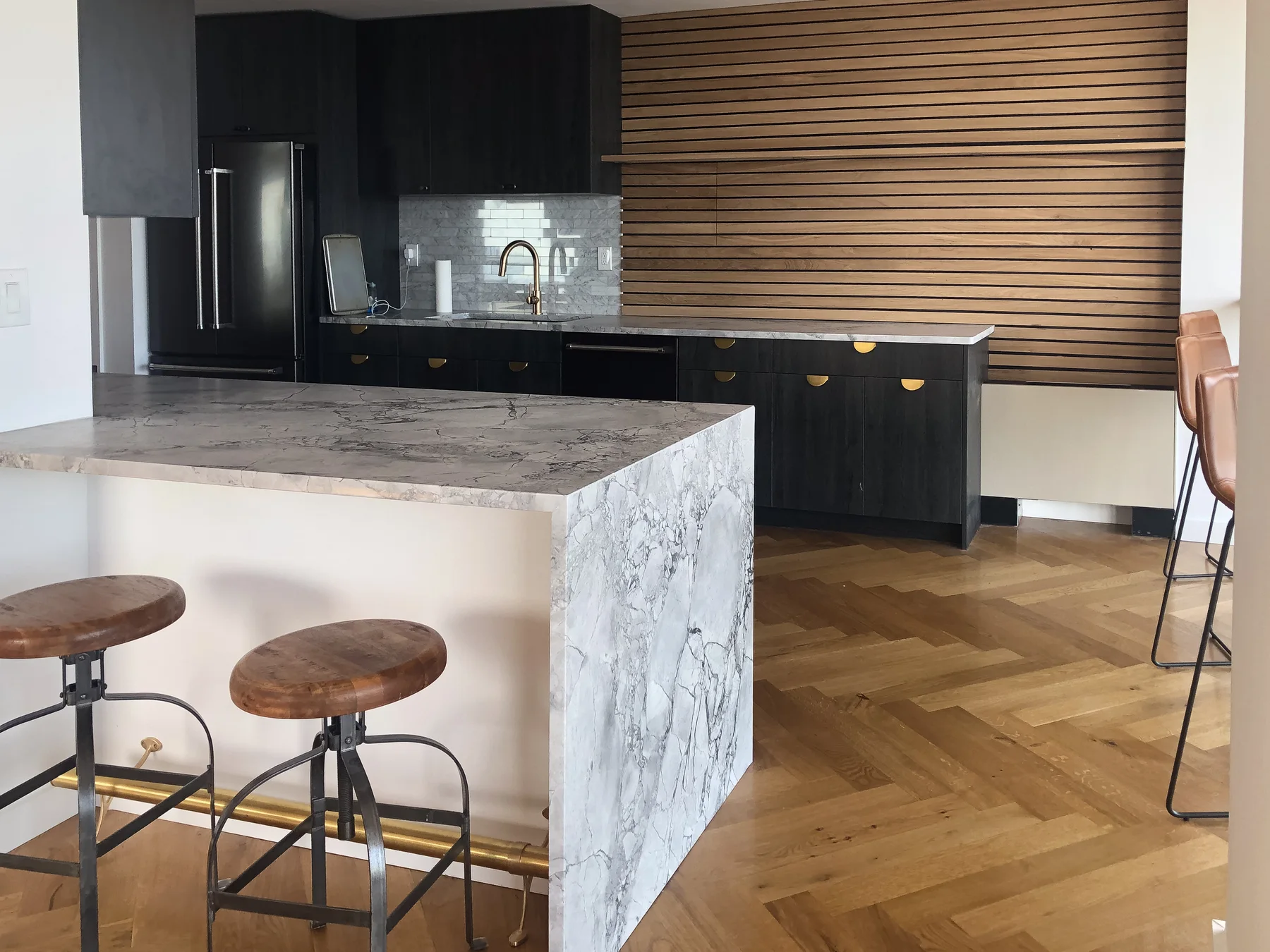
If you are planning to sell soon, a major renovation only makes sense when it clearly improves the way the home will be viewed and used. The first question is not whether the project sounds worthwhile, but whether the scope matches the market, your timeline, and the amount of disruption you can tolerate.
A good place to start is a plain conversation with a local agent and a renovation contractor. An agent can help you understand what buyers in your area tend to notice, while a contractor can tell you whether the work you are considering is straightforward, complex, or likely to expand once the home is opened up. If you want HKB to review the scope, start with the full-home renovations service and the Hoboken service area, then use the contact form to share the basics.
Start with what the market will actually reward
Not every visible improvement carries equal weight with buyers. Some homes need broader work because the layout, condition, or room-to-room consistency makes them hard to present well. Others do not need a major project at all; they may need focused updates that make the home feel cared for without turning the sale into a long construction process.
That is why the first planning decision is about scope, not finishes. Ask:
- Is the home missing something buyers in this market expect, or are you mainly reacting to dated surfaces?
- Would a coordinated renovation make the home easier to show and easier to live in until sale?
- Are there several rooms that need to be addressed together, or can the home be sold with selective improvements?
For some owners, a room-by-room refresh is enough. For others, partial work can leave the house feeling half-finished. The more connected the rooms are, the more important it is to decide whether the project should be truly integrated rather than piecemeal.
Weigh disruption against the real need
A major renovation before selling can create a second problem: you have to live through the work, manage access, and keep the sale timeline realistic. If the home is occupied, the question is not just what should be fixed, but how much interruption the household can absorb.
Useful planning decisions here include:
- Whether you are trying to make the home market-ready quickly or are open to a longer preparation period
- Whether the work affects multiple rooms that buyers will compare visually and functionally
- Whether it is better to complete the project before listing or sell as-is and let the buyer take on the work
That last comparison is often the most practical. A complete renovation may make the home more cohesive, but it also concentrates time, coordination, and decisions into one stretch. Selling as-is may reduce disruption, but it can also narrow the buyer pool if the home needs too much explanation. The right choice depends on the home, not a rule of thumb.
Decide whether the scope is selective or comprehensive
When a home is being prepared for sale, scope discipline matters. The goal is not to renovate everything by habit. The goal is to renovate the parts that change how the home reads overall.
A useful worksheet:
| Question | If the answer is yes, consider |
|---|---|
| Does the home have several connected spaces that feel out of sync? | A broader renovation plan |
| Are only one or two rooms holding back the presentation? | A selective scope |
| Will separate projects create repeated disruption? | Combining work |
| Does the timeline to list the home limit the project? | Tightening scope |
| Do you want to avoid handing small problems to the buyer? | Focusing on essentials first |
This is where a serious homeowner should be direct about priorities. A project before sale is not the same as a forever-home renovation. You may value durability, consistency, and a clean handoff more than highly individualized features.
Use local context without overcomplicating the plan
In Hoboken and nearby North Jersey markets, buyers often respond to homes that feel coherent, well maintained, and easy to understand. That does not mean every home needs a full overhaul. It does mean the renovation should be judged against the kind of property you are selling and the likely expectations in that area, not against a generic national idea of “updating.”
If your home is in Hoboken, a project that addresses several rooms together can sometimes present more clearly than a series of disconnected repairs. But the reverse can also be true: if the home already shows well, a major renovation may add stress without changing the sale conversation enough to justify the effort. A local agent can help you test that question before you commit to scope.
For more context on how full-home work is approached, review the related guide on choosing a renovation scope. It pairs well with this decision because it separates the project shape from any one room.
Bring HKB a brief that helps Tony assess fit
If you want HKB to look at a pre-sale renovation, send details that make the decision clearer from the start:
- Which rooms are in play
- Whether you plan to live in the home during the work
- Your target listing window, if known
- Any building or condo/co-op requirements that already affect the project
- What you most want the home to communicate to buyers
- Photos of the areas you are considering
- Whether you are deciding between a selective update and a broader renovation
That gives Tony enough context to help you think through scope and practicality before you decide whether the project should move forward. Use the contact form to share the brief, or start with the Hoboken service area page if you are checking whether your location is within HKB’s coverage.