
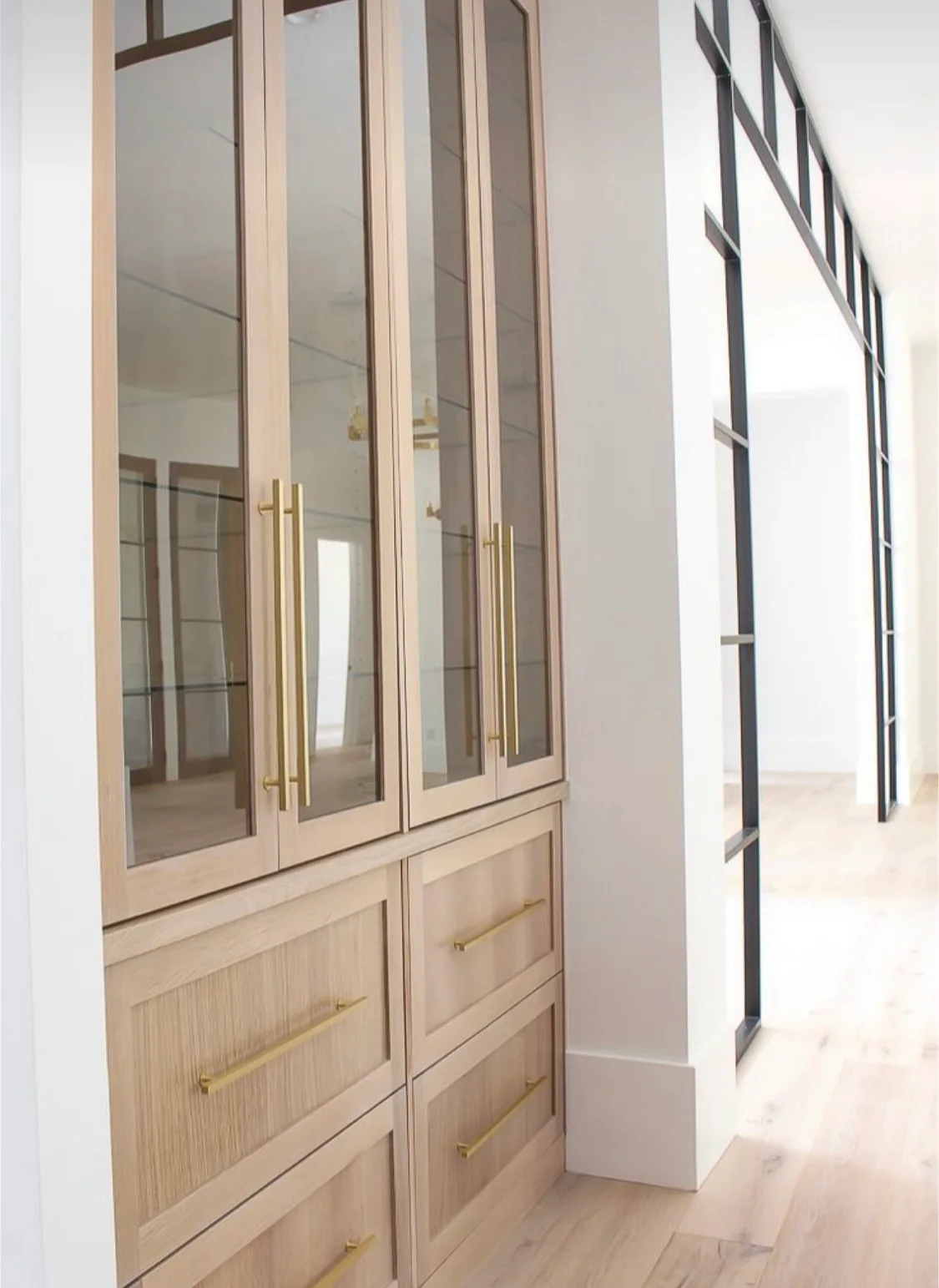
If you are reviewing a contractor’s portfolio, the main question is not “Do I like the style?” It is “Does this work look similar enough to my project that it tells me how they handle a real renovation?” A strong portfolio should help you judge scope, coordination, and finish quality, not just taste.
A good place to start is HKB’s full-home renovations page, then compare the examples there with your own rooms. If you are in Hoboken, the local service area page can help confirm whether your project location is within the company’s coverage. From there, the portfolio should do the heavier lifting: show what the contractor actually handles, how different rooms connect, and how finished spaces look at the seams.
Look for comparable room relationships, not just pretty rooms
A portfolio photo of a beautiful kitchen or bathroom can still be misleading if your project is a connected renovation. You want to see whether the contractor has handled the kinds of room relationships your home needs:
- kitchen opening into dining or living space
- bath updates tied to adjacent hallway or bedroom finishes
- several rooms with shared flooring, trim, or lighting choices
- full-home projects where one finished room had to match another
That comparison matters because a renovation is often defined by transitions. A floor that looks good in one room may not help if it meets old trim, different ceiling heights, or another finish line nearby. If a portfolio only shows isolated “after” shots, ask for examples that show the surrounding context.
Useful comparison: isolated room vs connected project
An isolated room photo tells you the contractor can finish a room cleanly. A connected-project photo tells you whether they can make separate spaces feel planned together. For a full-home renovation, that second skill is usually more relevant.
Read finish transitions as a sign of coordination
The details between rooms can reveal more than the main feature wall or the cabinet layout. In a portfolio, look closely at:
- where flooring changes or continues
- how trim meets tile, wood, paint, or built-ins
- whether door casings and baseboards feel consistent from room to room
- whether lighting, paint, and hardware look chosen as one set or as separate leftovers
These transitions matter because they show whether the contractor is thinking about the house as one project. If every room looks individually finished but nothing matches up, the work may not be aimed at the kind of coordinated result you want.
Older homes can make those transitions more complex because one room often leads into another without simple, repeated conditions. A useful portfolio should show whether the contractor is comfortable carrying details from room to room instead of treating each space as an isolated finish exercise.
Ask to see stages, not only finished photos
A polished final image is useful, but construction-stage photos are often more revealing. They can help you understand whether the contractor is comfortable with the parts of the job that happen before the visible finishes.
Ask whether the portfolio includes examples of:
- demolition and protection
- framing or layout changes where relevant
- rough coordination before walls close up
- tile, flooring, trim, and fixture installation in progress
- final punch-list completion and cleanup
You are not looking for a technical lecture. You are looking for evidence that the contractor can manage a sequence of work. A portfolio with only glamour shots may be less useful than one that shows how the job moved from messy to finished.
Use the portfolio to test scope fit
A portfolio should help you decide whether to start a conversation, not replace it. As you review examples, ask yourself three planning questions:
- Do these projects resemble the scale of my renovation?
- Do I see the kind of room connections my home needs?
- Do the finishes look consistent across the whole project, not just in one room?
If the answer is yes, you are probably looking at a contractor whose past work is relevant. If the answer is no, you may still like the style, but style alone is not enough.
When you are ready to ask questions, use the contact form and include the scope, ZIP code, timing, project details, and how you prefer to be contacted. That gives the contractor the basic information needed to judge fit without guessing.
Questions to ask after reviewing the portfolio
Use this short worksheet before your first call or message:
- Which project in the portfolio is closest to my scope?
- What rooms were connected in that project?
- What finish transitions looked especially well resolved?
- Are there stages of work shown, or only completed photos?
- Which parts of the portfolio make me more confident, and which parts still need explanation?
- What would I want this contractor to show me that the portfolio does not answer?
If you want a related planning guide, see What plans and drawings help with a renovation estimate?. It pairs well with portfolio review because both help you compare real projects instead of guessing from style alone.
The best portfolio is one that helps you decide whether the contractor can handle your kind of renovation, in your kind of home, with the kind of finish continuity you want. That is the real test.